Chew & Oral Sensory
14 products




14 products
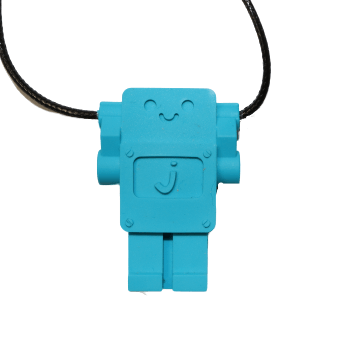
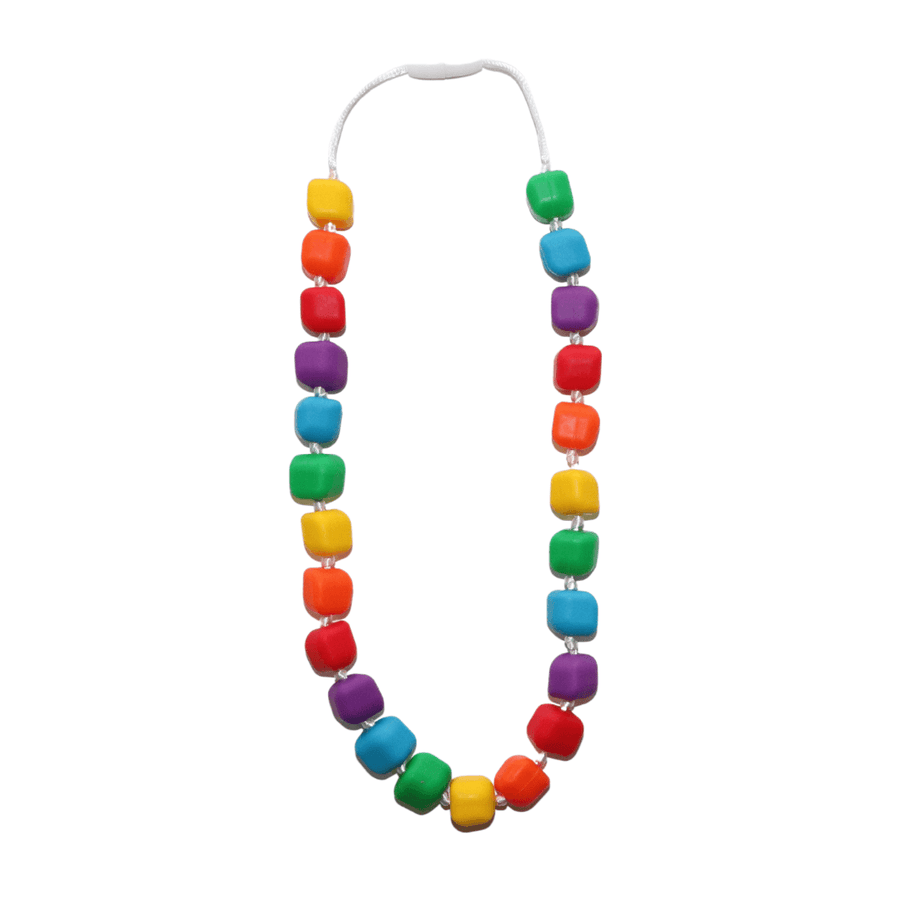
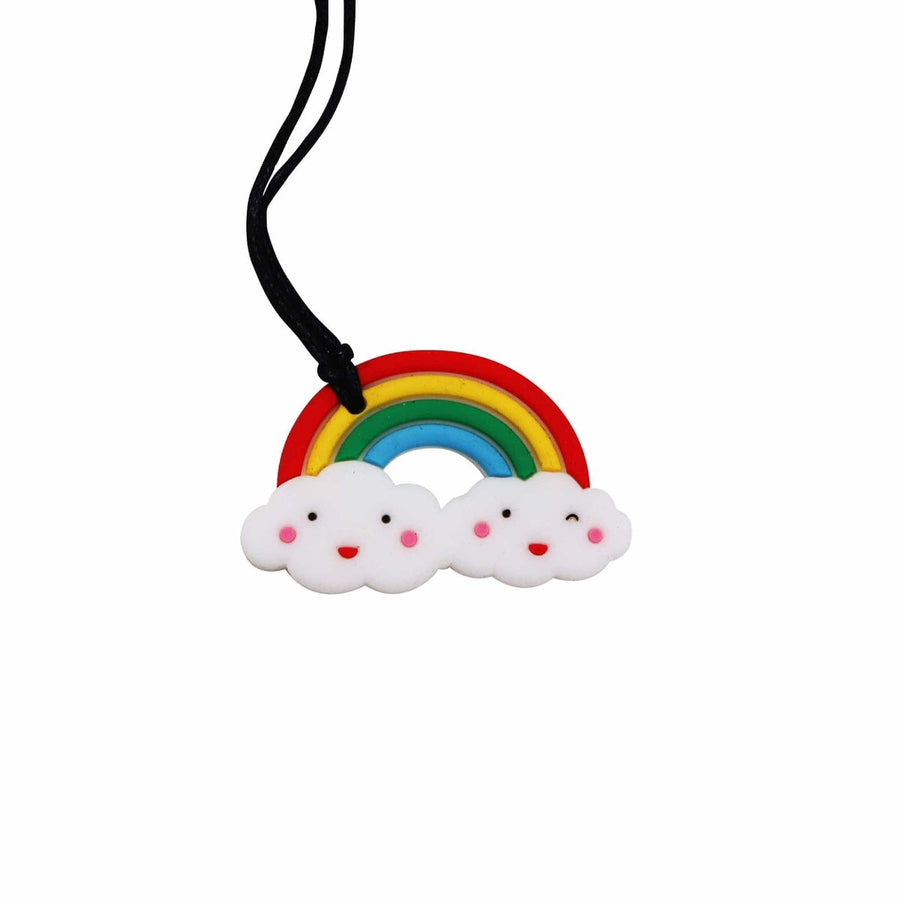
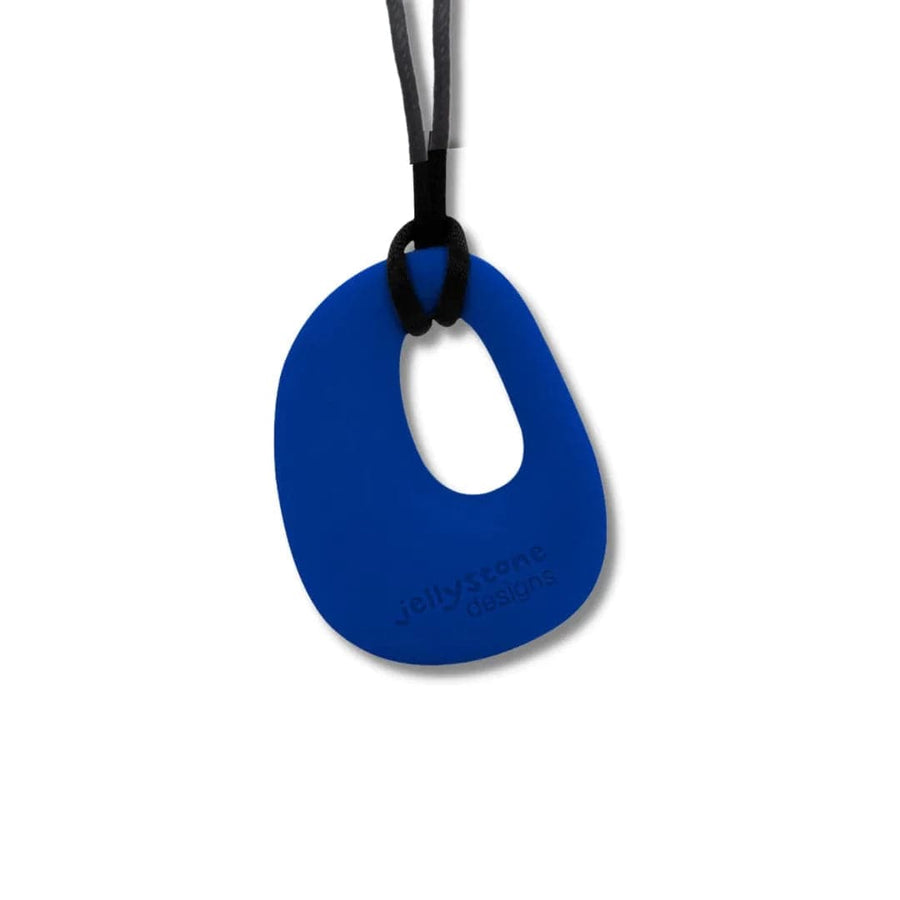
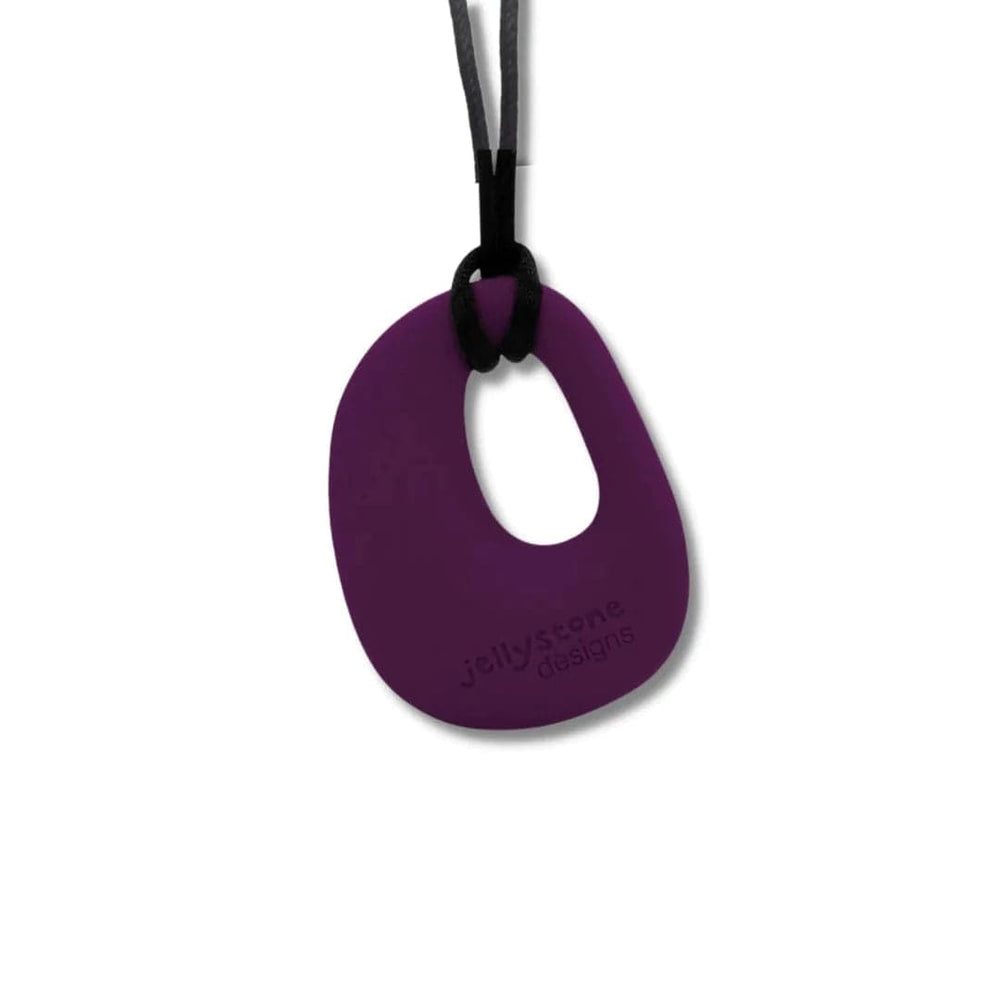
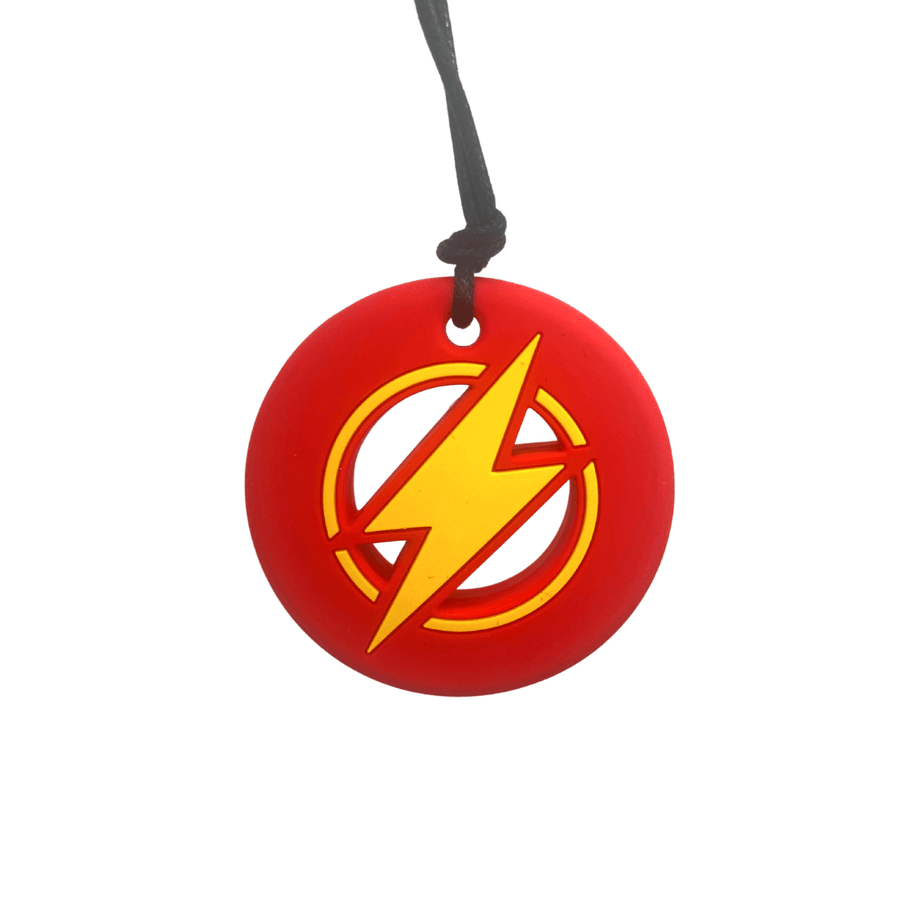
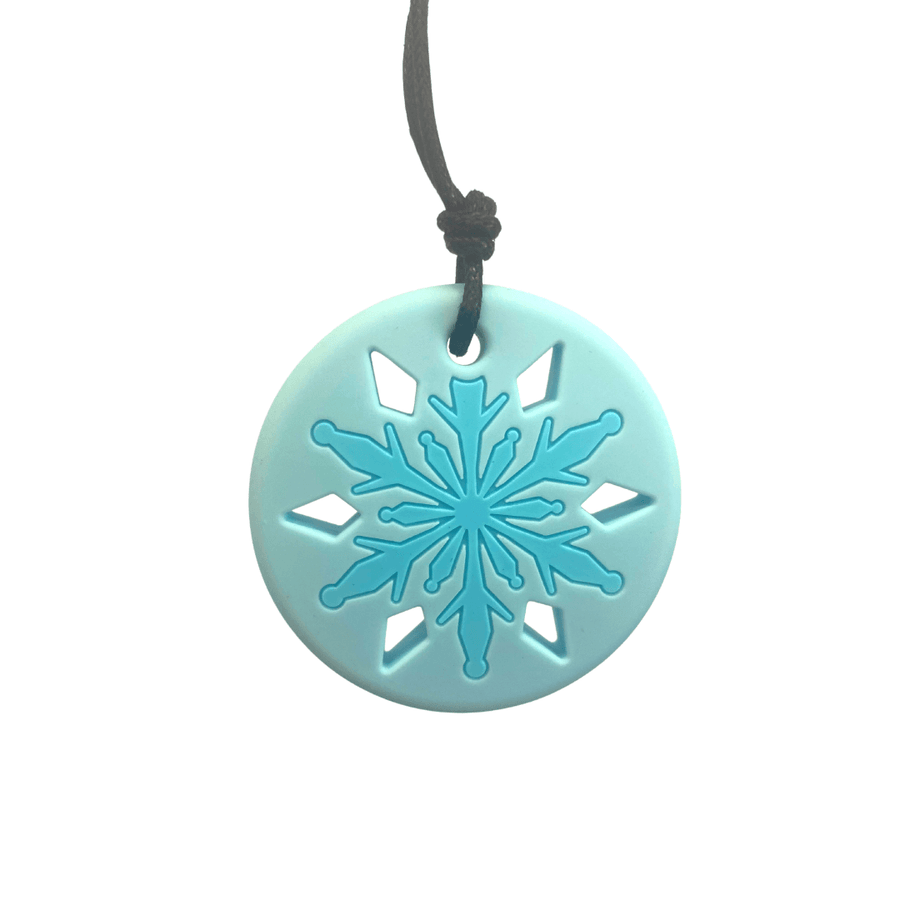
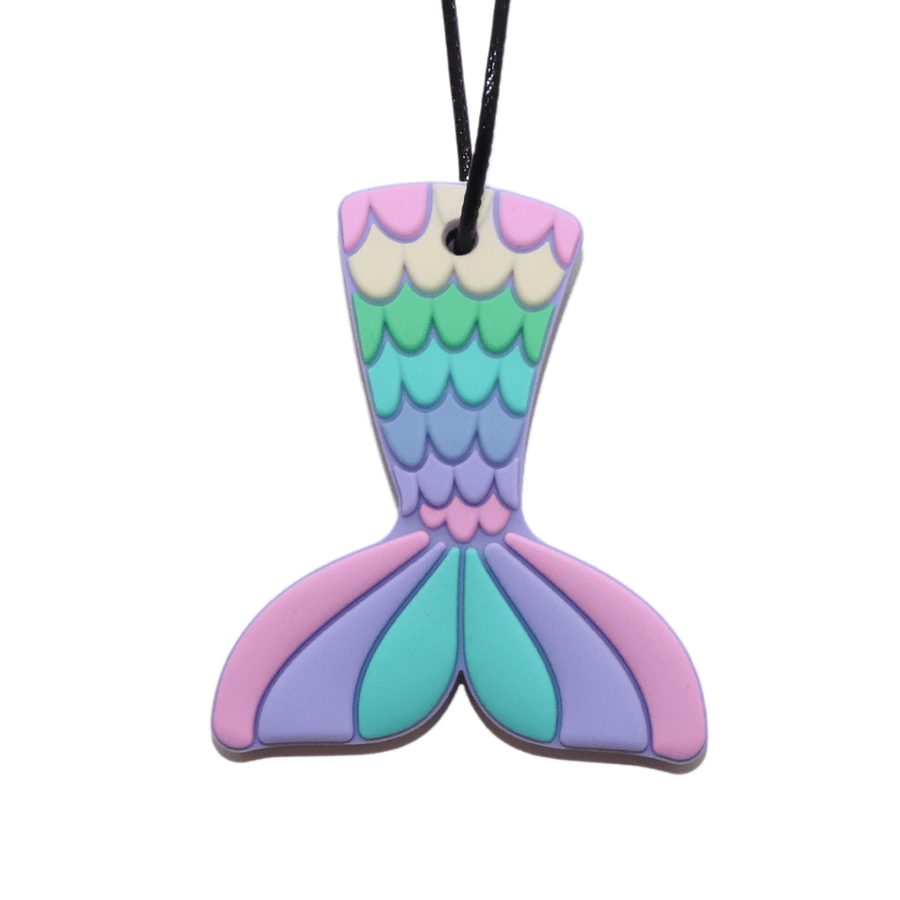
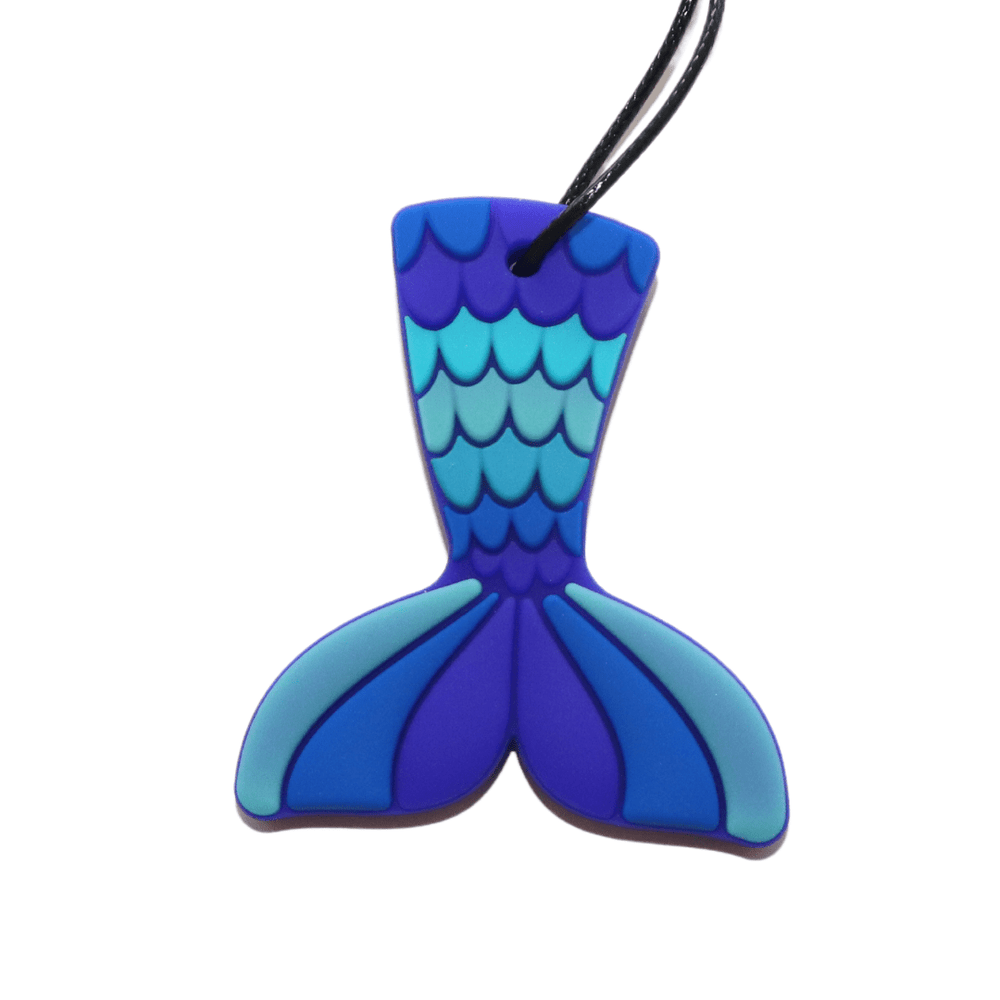
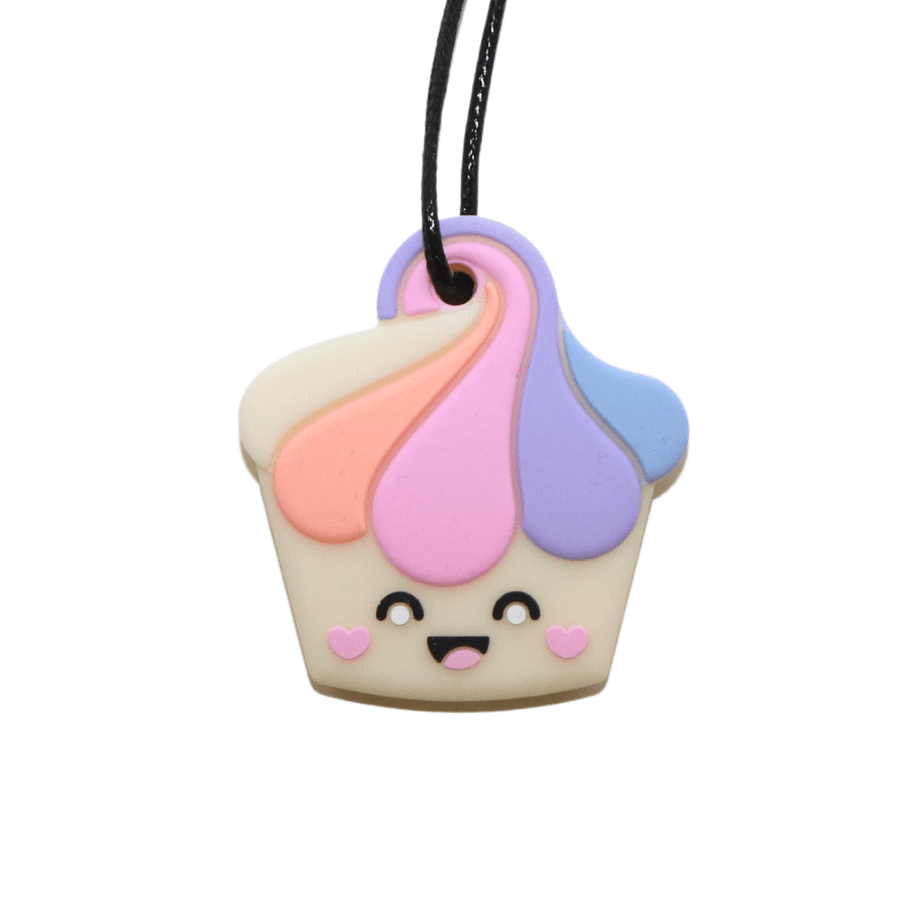
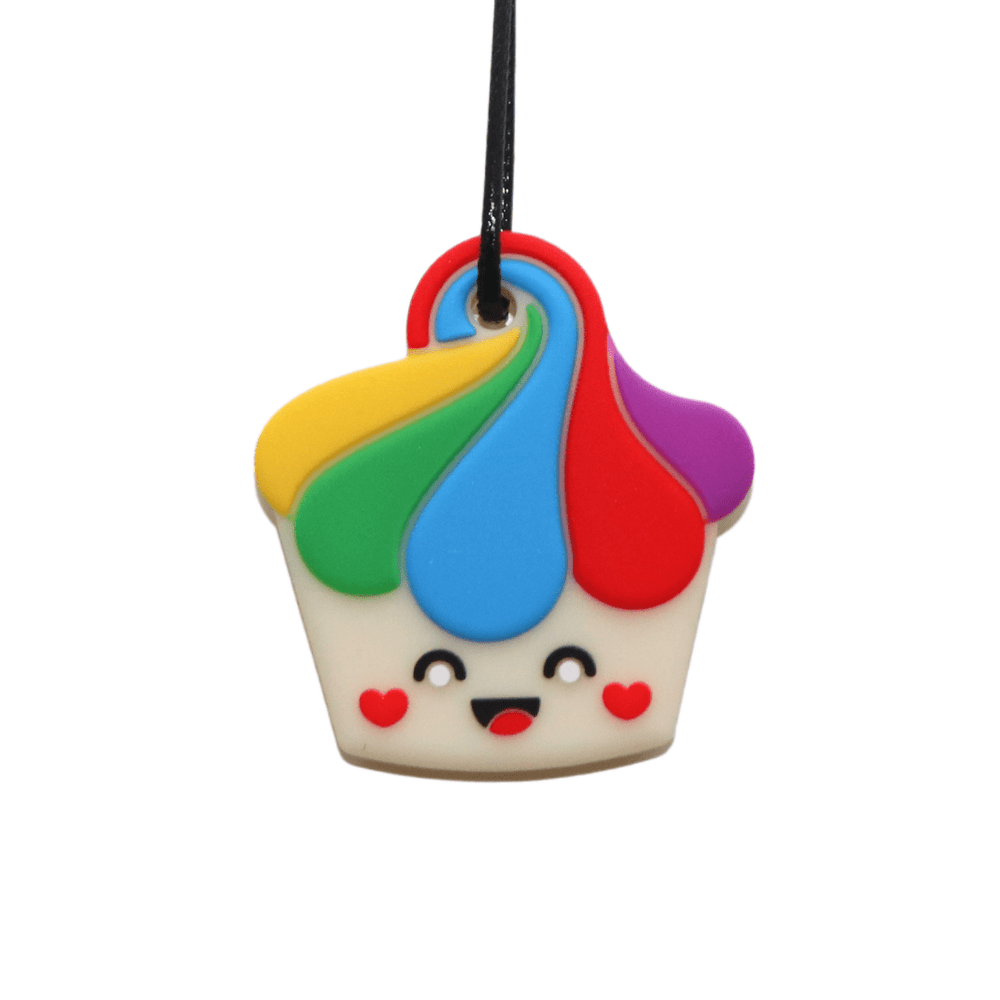
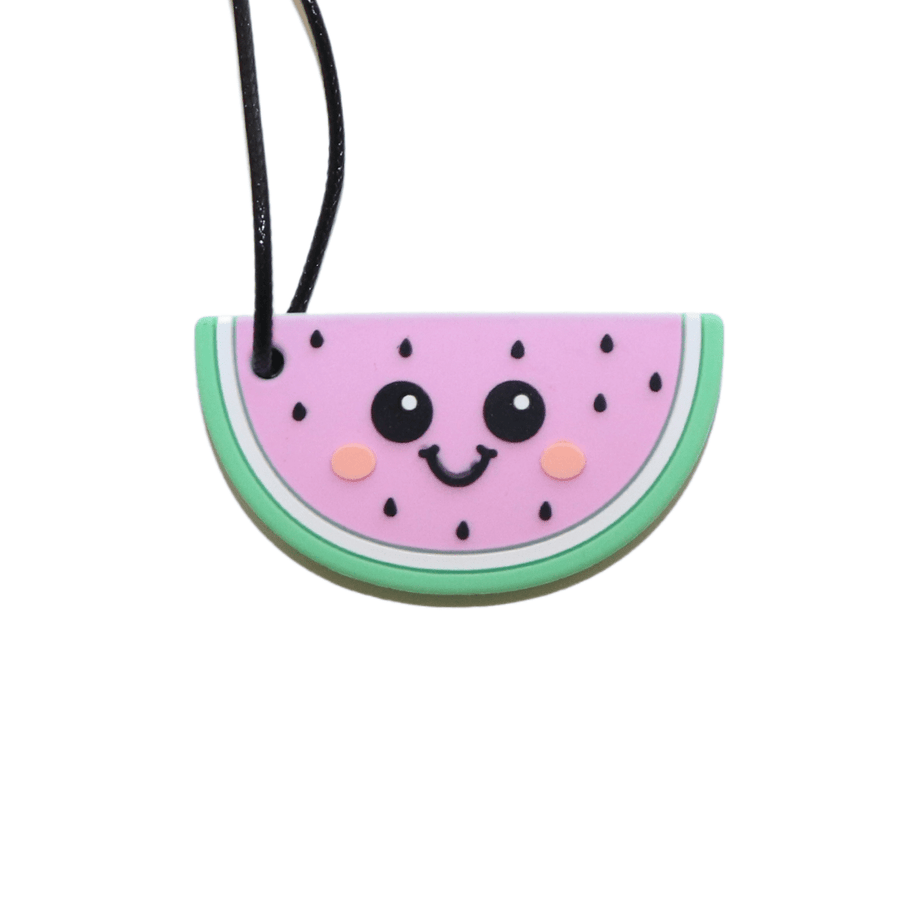
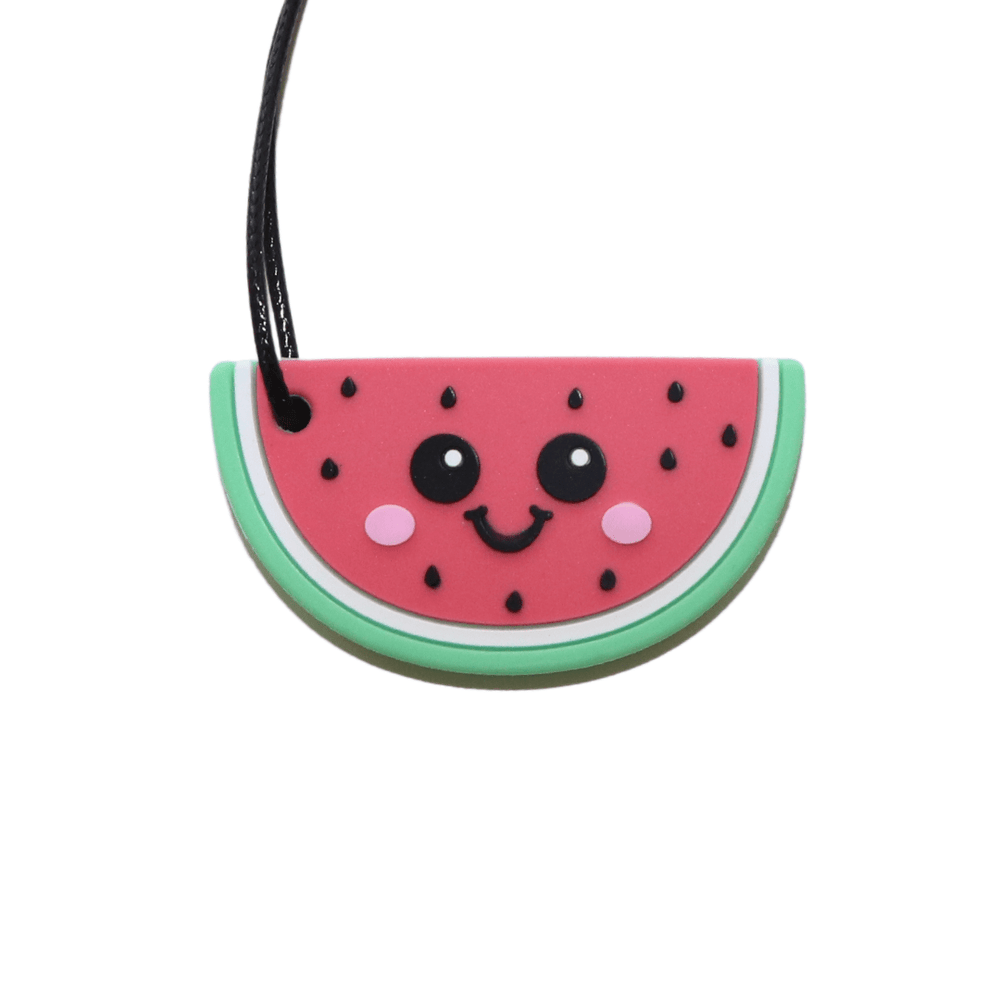
Chew and oral sensory products give the mouth something safe, durable, and designed-for-purpose to chew, bite, or fidget with. Our range is mostly Jellystone Designs — Australian-designed silicone chew pendants in playful shapes — plus Sensory Support basics like chew bands, bite bands, and pencil toppers. All food-grade silicone, all dishwasher-safe, all built to outlast a serious chewer.
All silicone in this range is food-grade, BPA-free, PVC-free, and non-toxic. Pendant clasps are specifically designed to break away under pressure to prevent strangulation risk.
Top-rack dishwasher safe, or wash in warm soapy water. Silicone holds up to hot water with no special care. Air-dry.
For most users, indefinitely. Strong chewers may eventually wear through the surface texture — when that happens, replace. Silicone doesn't break down or shed pieces the way some plastic teethers do.
Significant overlap. The Teethers collection focuses on the baby/infant end of the range; this collection covers the broader oral sensory range including teen and adult use cases. Many products appear in both.
Many NDIS plan managers will fund chew tools and oral motor products as low-cost assistive technology, particularly when recommended by a speech pathologist or OT. We're no longer NDIS registered, but you can purchase from us and claim through your plan manager.
For sensory-overload moments: pair with Hearing Protection. For school-day setups: pair with Fidget Toys. For bedtime chewers: a weighted blanket often reduces the need for the chew band by helping the body settle.
See our Chew Necklaces Australia complete guide and Chewelry Australia: Chew Necklaces for Adults.
All chew and oral sensory products ship from our warehouse in Taren Point, Sutherland Shire, Sydney. Standard shipping is 2-5 business days Australia-wide. Orders before 12pm Mon-Fri usually go out same day.
We're retailers, not healthcare professionals. For personalised advice about oral motor needs, please consult your occupational therapist, speech pathologist, or paediatrician.
Oral motor exercises are a set of activities designed to develop the motor function of a child’s mouth. Normally, these skills start to emerge while they’re still a fetus and continue to develop until they’re four years old. By age three, a child must be able to consume liquids and solids, chew foods with advanced textures, and speak simple sentences. Oral motor exercises help children achieve these skills, especially if they are showing signs of underdeveloped oral motor skills.
Some common oral motor exercises include biting or chewing on chew toys, licking lollipops, and playing Simon Says but with the tongue. Even the simple act of opening and closing the mouth is considered a helpful activity. Oral motor toys are helpful for these exercises since many of them are designed to target specific issues.
It’s not just children with an underdeveloped oral motor function who’ll benefit from these exercises or toys. Any kid will gain something from practising these activities, which can result in the following.

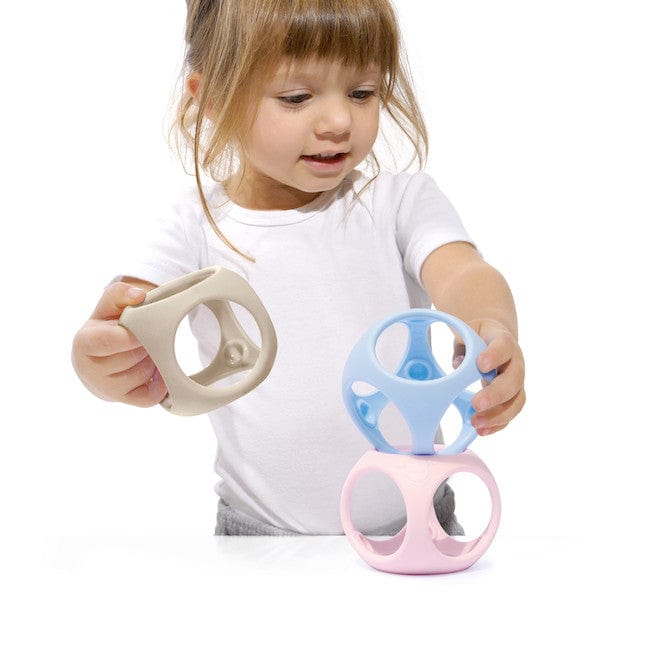
Speaking involves a lot of muscles, from the vocal cords to the tongue. It can be a complicated process, especially for kids with weaker articulators. However, oral motor exercise can drastically improve speech by strengthening muscles.

Much like speaking, eating and drinking food involves a lot of steps. From opening their mouths all the way to swallowing, consuming food entails movement from several muscle groups. Oral exercises and toys like teethers and chewing pendants mimic these movements to help a child become more familiar with the sensations.

While this is perfectly normal during the early months, thumbsucking should be discouraged once a child starts developing adult teeth. Toys and certain oral exercises can help break the habit so that it won’t affect the way they eat or speak, especially in pronouncing hard consonants.
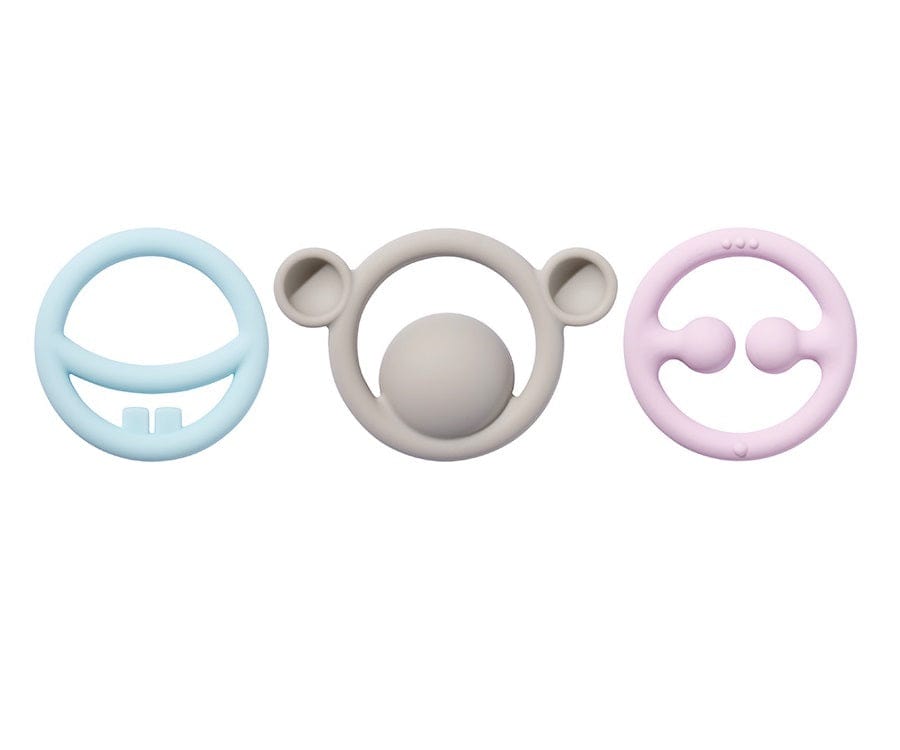
Chew toys, bubble blowers, and other toys used in oral motor exercises strengthen the muscle groups overall. This provides a holistic improvement in all movements involved, enhancing a child’s ability to eat, drink, and speak.

Practising oral motor exercises helps a child develop an understanding of how their mouths work. This can help them fine-tune their speaking skills, especially in pronouncing more complicated vowel or consonant combinations and words. In addition, increased oral awareness helps them perceive structures and conditions in their mouths, allowing them to express better any issues they might feel when chewing or speaking.
Oral motor toys are the ideal complement to improving a child’s oral motor function. These can help fix specific issues, muscle groups, or areas in the mouth that need extra training. But, of course, these must be used correctly and with correct exercises to maximise the effects.
Chew toys are made of soft, food-grade material perfect for a young child’s chewing urges. Kids' repeated biting and chewing motion with these toys help strengthen jaw muscles and gums. Still, they’re soft enough that chew toys remain gentle on the more sensitive mouthparts. These are also effective in discouraging harmful habits like thumbsucking and nail-biting.
When kids start going to school or learning to write, there’s a tendency for them to stick their mouths on the tops of pencils. This is a harmful activity since it can damage their delicate palates and gums. To make the activity safer, we recommend pencil toppers. Aside from protecting kids’ mouths from metal parts, these toppers aid in oral motor exercises. They encourage good chewing movements and stimulate muscles.
Teethers have a similar purpose as chew toys, but these are used more in soothing a baby’s gums as teeth emerge. Still, teethers help kids exercise cheek muscles and the tongue since these also encourage sucking movements.


Our Commitment to Quality
We ensure that every item meets our high standards, providing you with peace of mind.
Subscribe to Our Newsletter
Support Your Child’s Journey
Stay informed with the latest from Sensory Assist. Get exclusive discounts, new product launches, and expert tips directly to your inbox.
Subscribe now and get 5% off your first order!
Follow Us
Join our Community