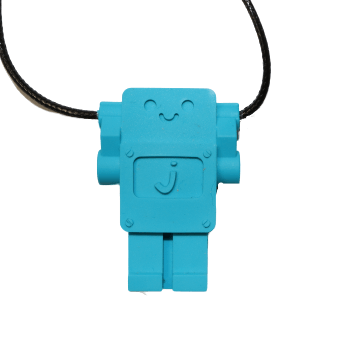
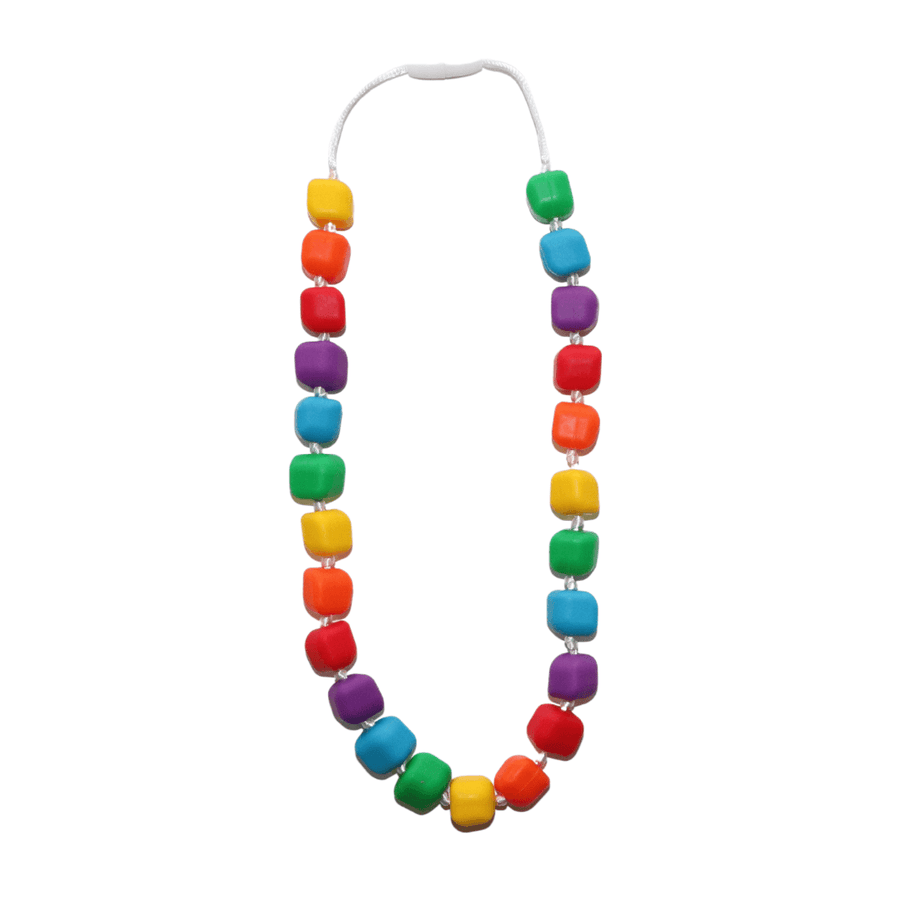
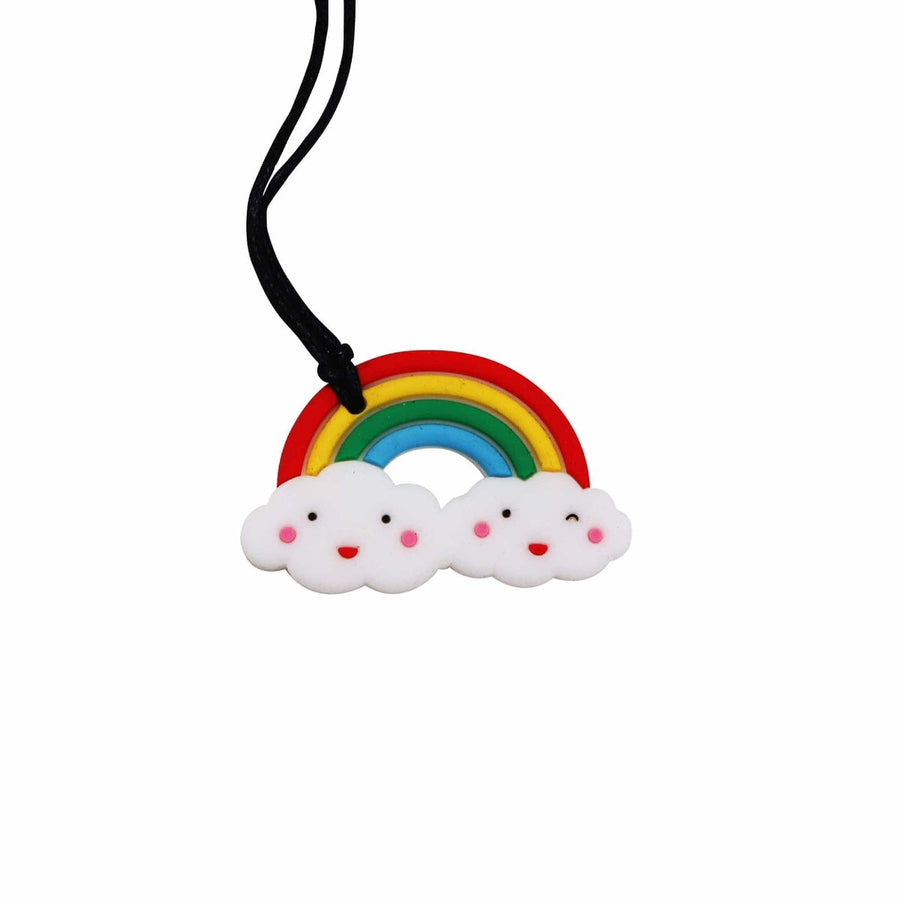
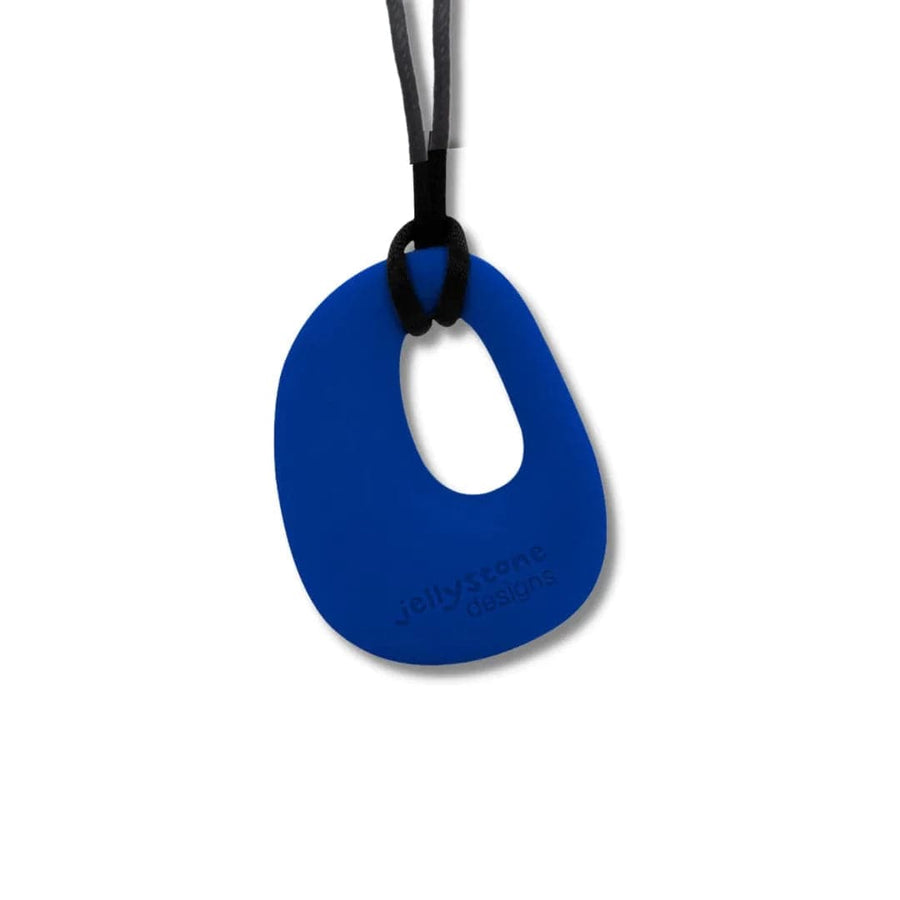
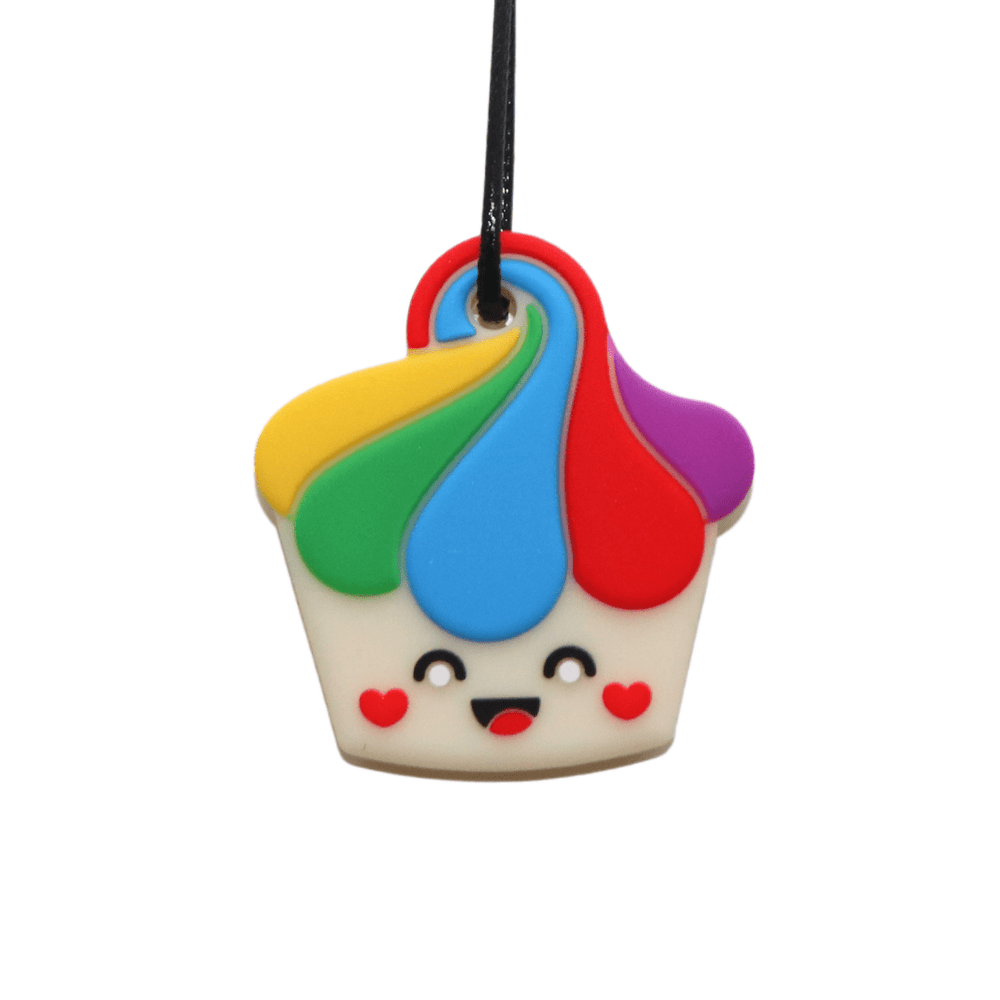
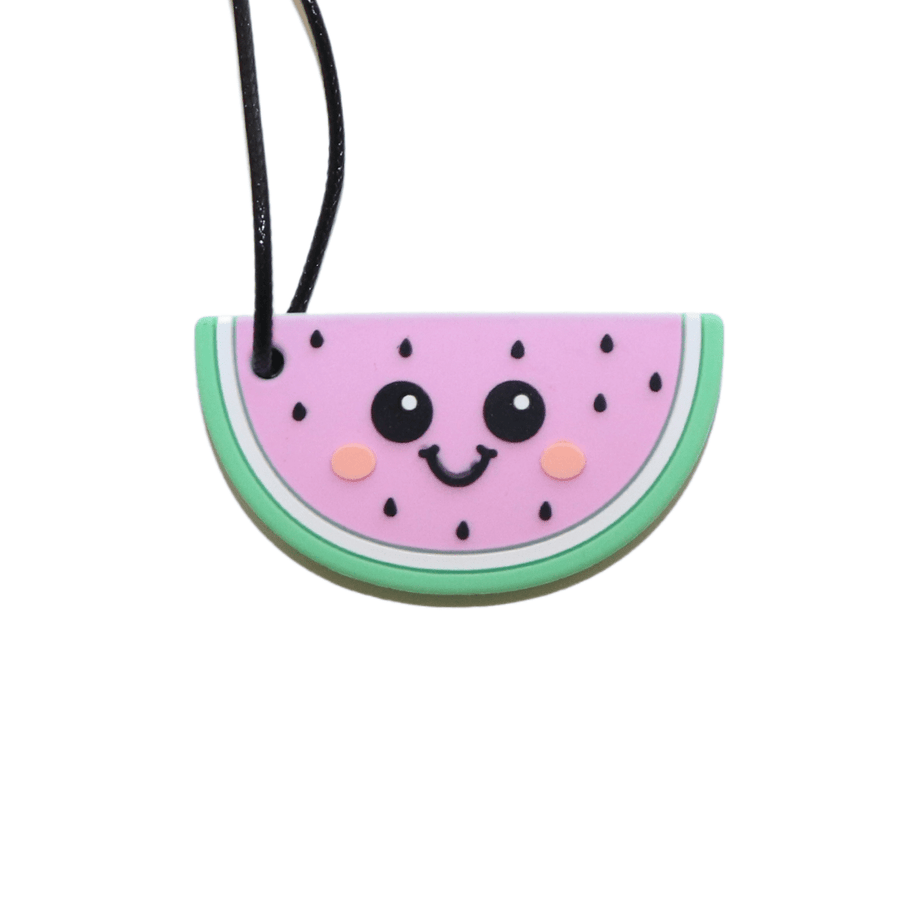
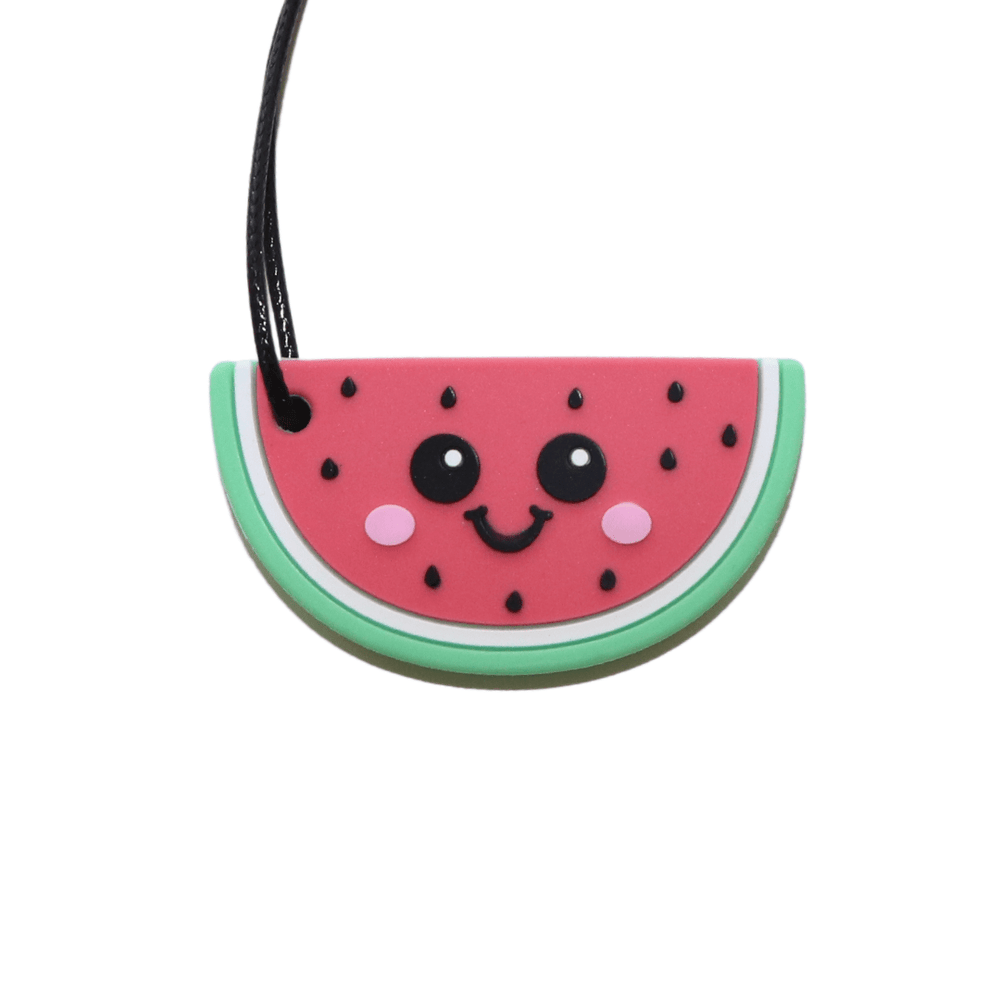
Teethers
13 products




13 products
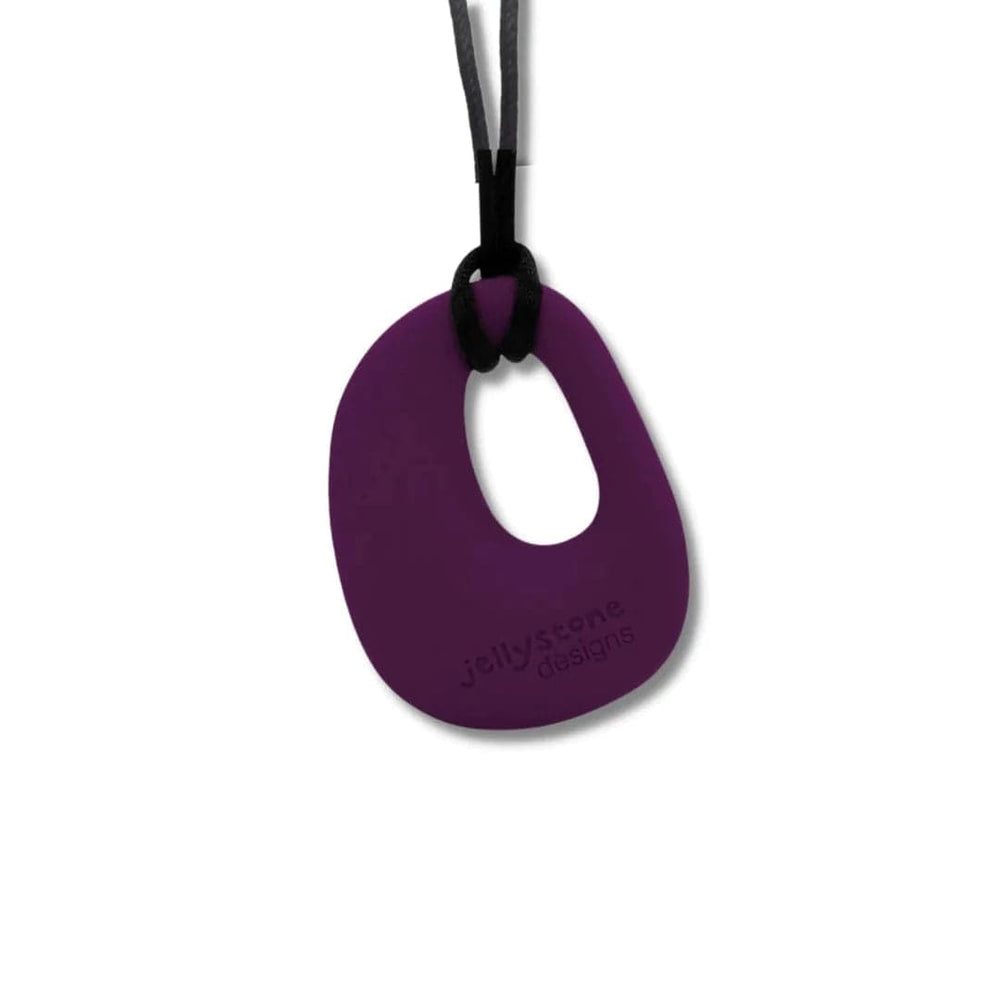
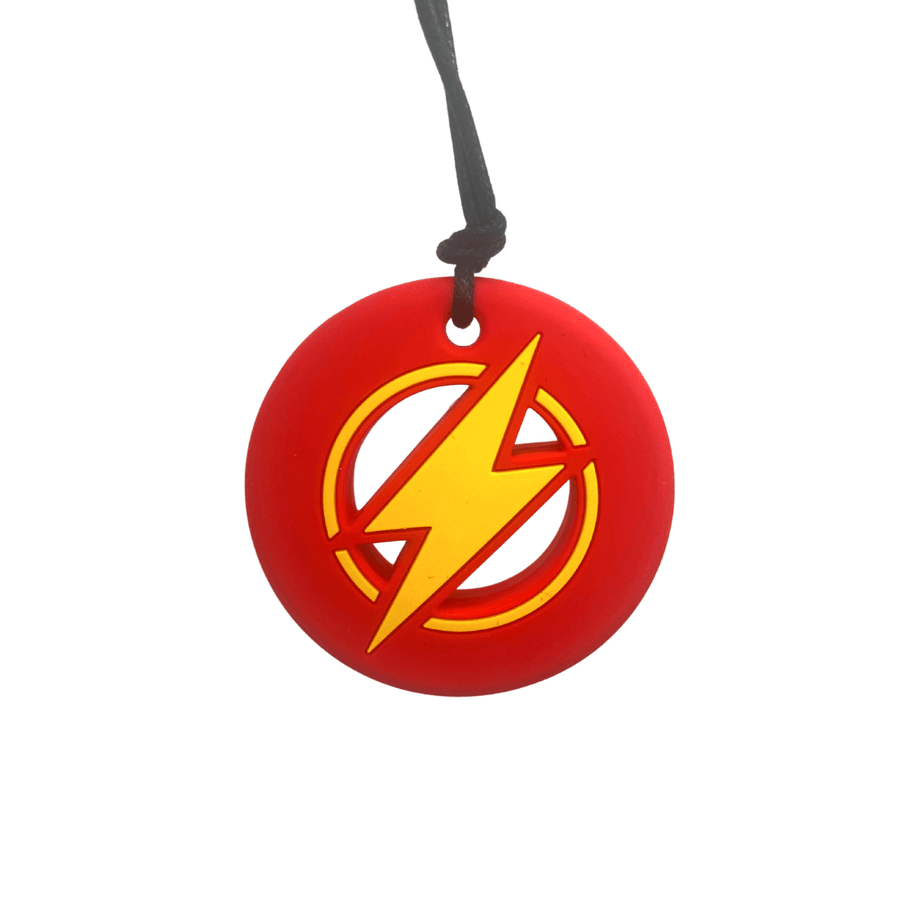
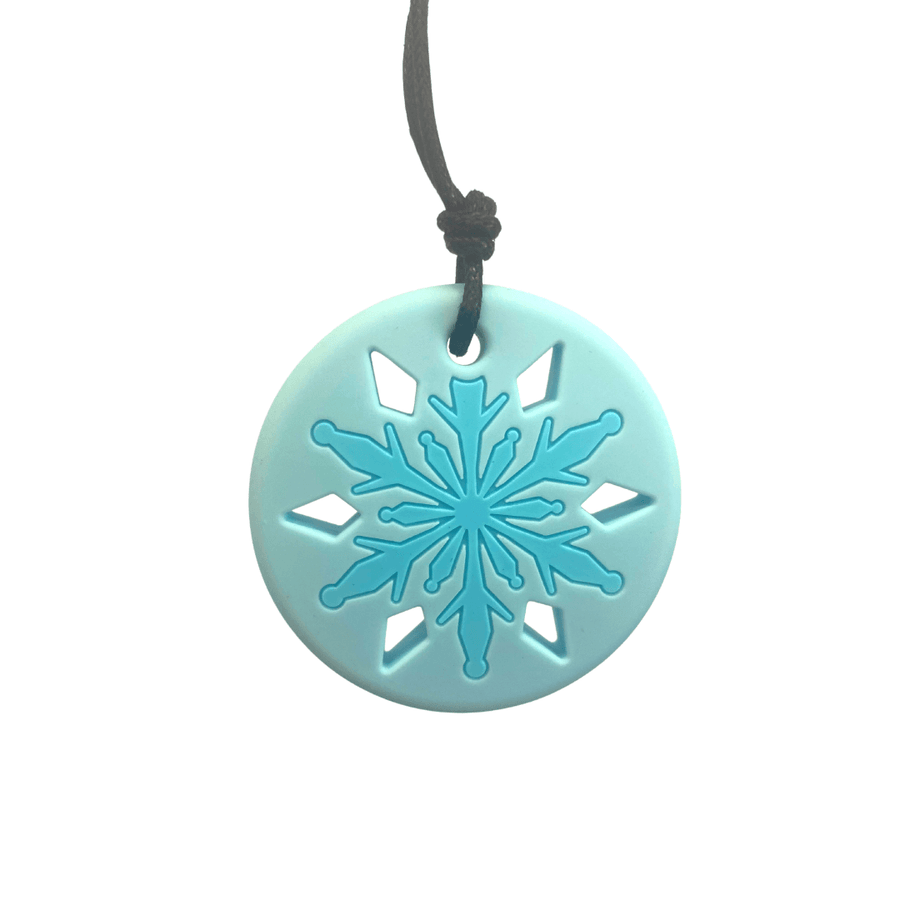
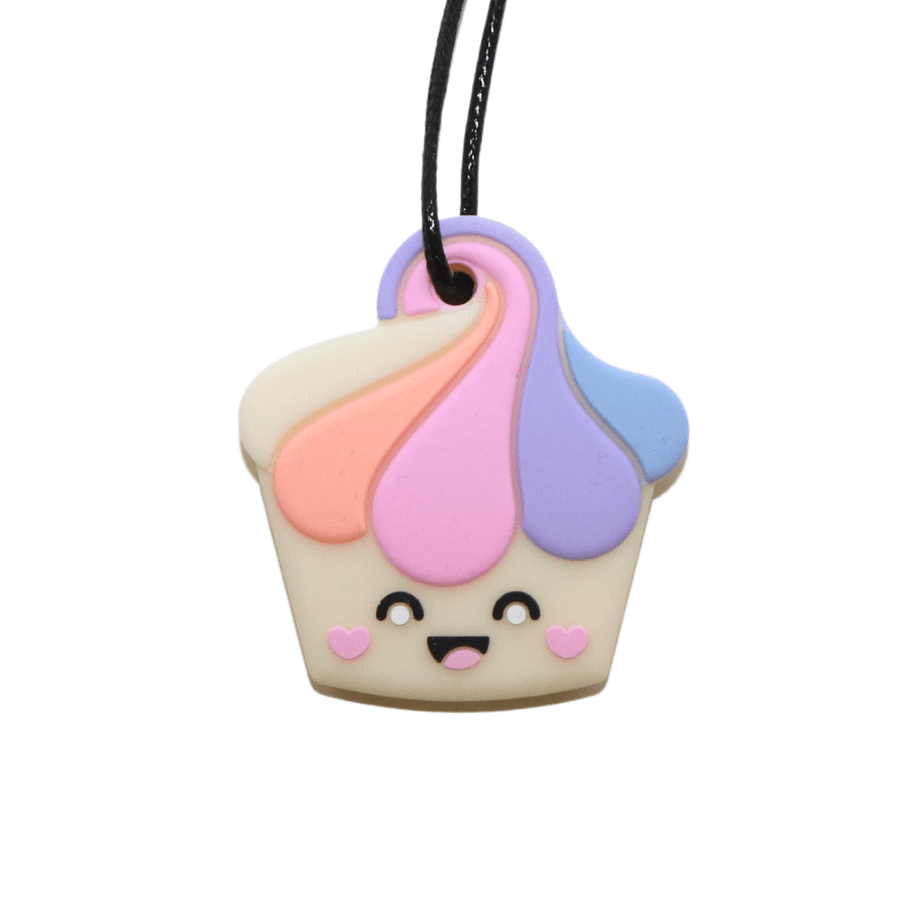
Teethers and chew pendants help babies, toddlers, and older kids who need something safe and satisfying to bite, chew, or fidget with their mouth. Our range is mostly Jellystone Designs — Australian-designed silicone chew pendants in playful shapes — plus a few Sensory Support basics like chew bands and slap bands. All are food-grade silicone, all are dishwasher-safe, all are non-toxic.
The range covers different ages, chew strengths, and styles:
Yes — all silicone in this range is food-grade, BPA-free, PVC-free, and non-toxic. The Jellystone pendant clasps are specifically designed to break away under pressure to prevent strangulation risk.
Top-rack dishwasher safe, or wash in warm soapy water. Silicone holds up to hot water with no special care. Air-dry.
For most users, indefinitely. Strong chewers may eventually wear through the surface texture — when that happens, replace. Silicone doesn't break down or shed pieces the way some plastic teethers do.
The terms are mostly interchangeable. "Teether" suggests babies and infant teething; "chew necklace" or "chew pendant" suggests older kids, teens, and adults. Same materials, different ages of customer reaching for them. Our Chew Necklaces Australia complete guide goes deeper into how to choose.
Many NDIS plan managers will fund chew tools and oral motor products as low-cost assistive technology. We're no longer NDIS registered, but you can purchase from us and claim through your plan manager.
For school-age kids: pair with hand fidgets for sustained focus. For sensory-overload moments: pair with hearing protection. For bedtime chewers: a weighted blanket often reduces the need for the chew band by helping the body settle. See related categories: Fidget Toys, Hearing Protection, Chew & Oral Sensory.
All teethers and chew pendants ship from our warehouse in Taren Point, Sutherland Shire, Sydney. Standard shipping is 2-5 business days Australia-wide. Orders before 12pm Mon-Fri usually go out same day.
We're retailers, not healthcare professionals. For personalised advice about oral motor needs, please consult your occupational therapist, speech pathologist, or paediatrician.


Our Commitment to Quality
We ensure that every item meets our high standards, providing you with peace of mind.
Subscribe to Our Newsletter
Support Your Child’s Journey
Stay informed with the latest from Sensory Assist. Get exclusive discounts, new product launches, and expert tips directly to your inbox.
Subscribe now and get 5% off your first order!
Follow Us
Join our Community