


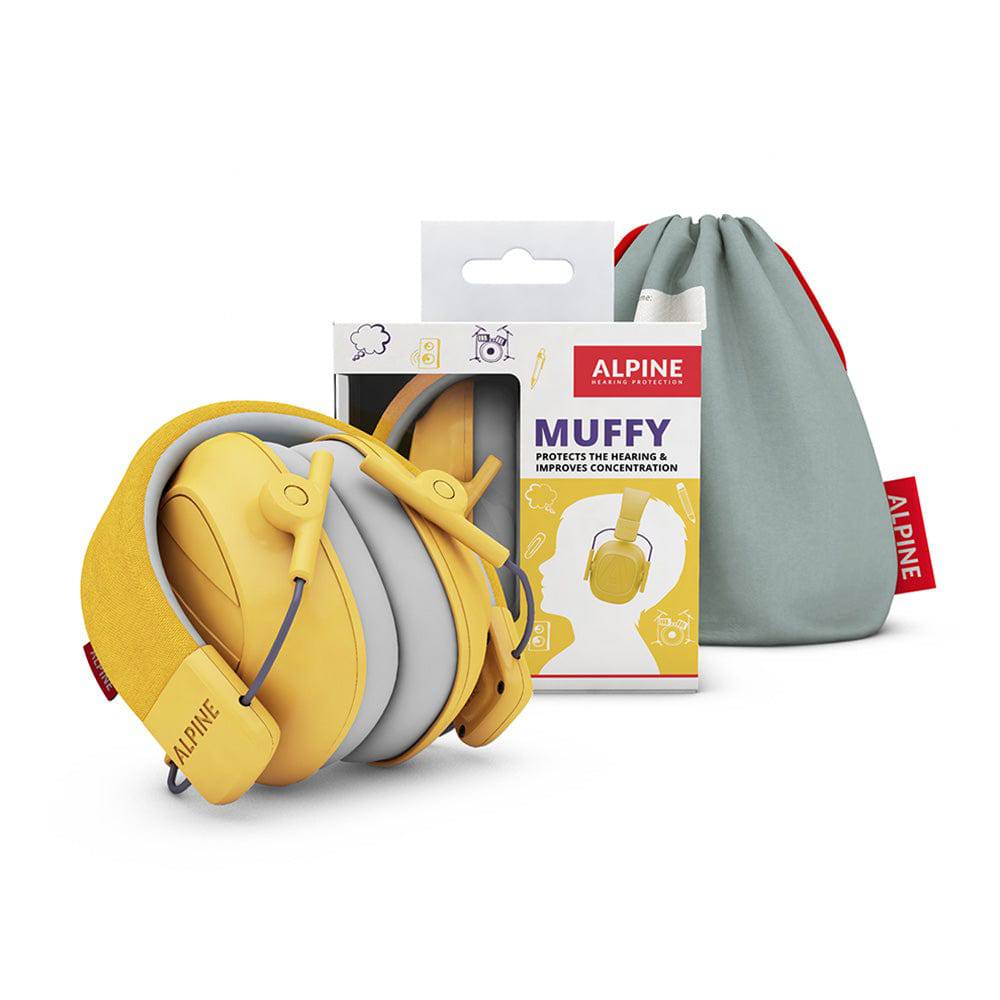
Choosing ear defenders for your child starts with fit, comfort and the situations where they’ll be worn. This guide compares hearing protection for children aged 3+ and older users, with practical considerations for school, outings and busy environments.
Choosing for a baby? Read our newborn ear protection guide for baby-specific fitting considerations and product information.
Quick Comparison: Our Ear Defenders and Ear Muffs for Kids
| Product | Best For | Details |
|---|---|---|
| Baby Ear Muffs | Newborns and young babies | See product page |
| Kids Ear Muffs | Children aged 3+, subject to fit | See product page |
| Ear Defenders | Older kids and adults, everyday use | See product page |
Browse our full hearing protection range to see everything in one place.
Why Do Kids Use Ear Defenders?
Lots of kids find certain sounds uncomfortable — from the roar of a crowd at a sports event to the hum of fluorescent lights in a shopping centre. Ear defenders and ear muffs help by reducing the volume of sound reaching the ears, making noisy environments much more manageable.
Customers tell us their kids use ear defenders for all sorts of situations:
- Footy games, motorsports events, and fireworks nights
- Busy shopping centres, supermarkets, or markets
- School assemblies, concerts, or school fetes
- Restaurants, food courts, and family gatherings
- Air travel and airports
- Homework time or tasks that need quiet focus
- Sleeping in noisy environments
Ear defenders are also popular with kids who experience sensory overload in loud environments — giving them a way to participate in everyday activities more comfortably.
How to Choose the Right Ear Defenders for Your Child
1. Age and Size
Fit is everything. Ear defenders that are too big won't seal properly, and ones that are too tight won't be worn. Check the model’s minimum age and fitting instructions. Our Kids Ear Muffs are for children aged 3+, subject to fit. An adjustable headband does not replace the product’s age guidance.
2. Noise Reduction Rating (NNR / SNR)
All ear defenders have a noise reduction rating. A higher rating means more sound is blocked. For everyday use — shopping centres, restaurants — a moderate rating is usually plenty. For louder events like motorsports or concerts, look for a higher rating.
3. Comfort and Wearability
Kids are more likely to keep ear defenders on if they're comfortable. Soft, cushioned ear cups and a padded headband make a big difference — especially for extended wear. Check the fit guidance for the model you are considering; comfort varies from child to child.
4. Ear Muffs vs. Ear Plugs
Ear muffs (over-ear) are the most popular option for younger kids — they're easy to put on and take off, and there's no risk of inserting them incorrectly. Ear plugs are a good option for older kids who are comfortable using them, particularly where a lower-profile or more portable option is preferred.
Our Range of Kids Ear Defenders and Ear Muffs
Choosing for a baby?
See our baby hearing protection guide and the Baby Ear Muffs product page for baby-specific age and fitting information.
For Children Aged 3+
Kids Ear Muffs
Designed for children aged 3+, with an adjustable headband, cushioned ear cups, an SNR 25dB rating and a carry bag. Check the product page for fitting guidance.
For Older Children and Adults
Ear Defenders
A versatile, adjustable option that suits older children through to adults. Comfortable for extended wear.
Age Guide at a Glance
- Infants and young babies: Baby Ear Muffs. Check the product page for fit and supervision guidance.
- Children aged 3+: Kids Ear Muffs. Fit varies by head size.
- Children and adults needing a broader adjustable fit: Ear Defenders. Check the fitting guidance before choosing.
Caring for Your Ear Defenders
- Wipe down regularly: Use a damp cloth to clean the ear cups and headband. Avoid submerging in water.
- Store flat or in the bag provided: Avoid leaving them squashed under heavy items.
- Check the seal: If the ear cups become flattened or cracked, they won't provide the same level of noise reduction.
- Keep them accessible: Customers tell us the key to kids actually using ear defenders is keeping them easy to grab — in the car, in the school bag, or clipped to a backpack.
Frequently Asked Questions
How do I choose the right age range?
Check the minimum age and fitting instructions for the specific model. Kids Ear Muffs are for ages 3+, subject to fit. For babies, use the newborn ear protection guide and check the Baby Ear Muffs product information.
What's the difference between ear defenders and ear muffs?
They're essentially the same thing — both refer to over-ear hearing protection that reduces noise. "Ear defenders" is a common term in the UK and Australia, while "ear muffs" is also widely used.
Can kids wear ear defenders at school?
Many kids do wear ear defenders at school — during assemblies, in busy classrooms, or for quiet work time. It's worth checking with your child's teacher so everyone's on the same page.
How do I know if the fit is right?
A well-fitting pair should sit comfortably over both ears with no gaps in the seal. The headband should sit firmly but not tightly. If your child keeps pulling them off, try a different size or style — comfort is key.
Do you ship ear defenders Australia-wide?
Yes — we ship across Australia. We're also based in Taren Point, Sydney, so if you're local to the Sutherland Shire, you're welcome to arrange a warehouse pickup.
We're retailers, not healthcare professionals. For personalised advice about sensory needs, please consult your occupational therapist or healthcare provider.