


When It's Not Bad Behaviour: Understanding Sensory Overload in Aussie Kids
We've all seen it: a child covering their ears in the middle of a busy shopping centre, a toddler refusing to put on their school uniform because the fabric feels itchy, or that inevitable after-school meltdown the moment they step through the front door.
To many adults, these moments look like a tantrum or difficult behaviour. But more often than not, something else is happening. For many children, the real issue is sensory overload.
What is sensory overload, actually?
Sensory overload happens when the brain receives more input than it can comfortably process. Customers describe it like a traffic jam in the head. In this state:
- Everyday sounds feel painfully loud.
- Fluorescent lights feel harsh.
- Certain textures, like clothing tags or seams, become physically unbearable.

When this happens, many kids move into protection mode — covering ears, withdrawing, or having a meltdown. Understanding that this is a felt physical experience, not a choice, is the first step toward helping kids feel safe in a world that often feels too much.
Why do kids cover their ears in loud places?
When a child covers their ears at a birthday party or a local shopping strip, they aren't being rude. They're using a self-regulation strategy.
For sensory-sensitive kids, the brain often struggles to filter out background noise. Instead of hearing a single conversation, they hear the hum of the air con, the distant traffic, and the person three tables away all at the same volume.
A simple shift: Reducing noise intensity can make a massive difference. This is why many Australian families explore noise-reducing ear muffs or specialised ear plugs. They soften the sharp edges of the world while still allowing the child to stay present in their surroundings.
Is sensory overload the same as being naughty?
No. Sensory overload is a felt experience — a real physical response — not a behavioural choice.
When a child is overwhelmed, the thinking part of the brain effectively switches off. They aren't trying to be defiant; they're physically maxed out.
At this point, the brain prioritises safety and settling over reasoning. This is why a child might suddenly shut down, cry, or refuse to participate. They aren't being difficult; they're struggling to cope with genuine physical discomfort.
What does it feel like for a child?
Imagine trying to finish a complex task while three different footy matches are blasting on the TV, the lights are flickering, and your clothes feel like they're made of sandpaper.
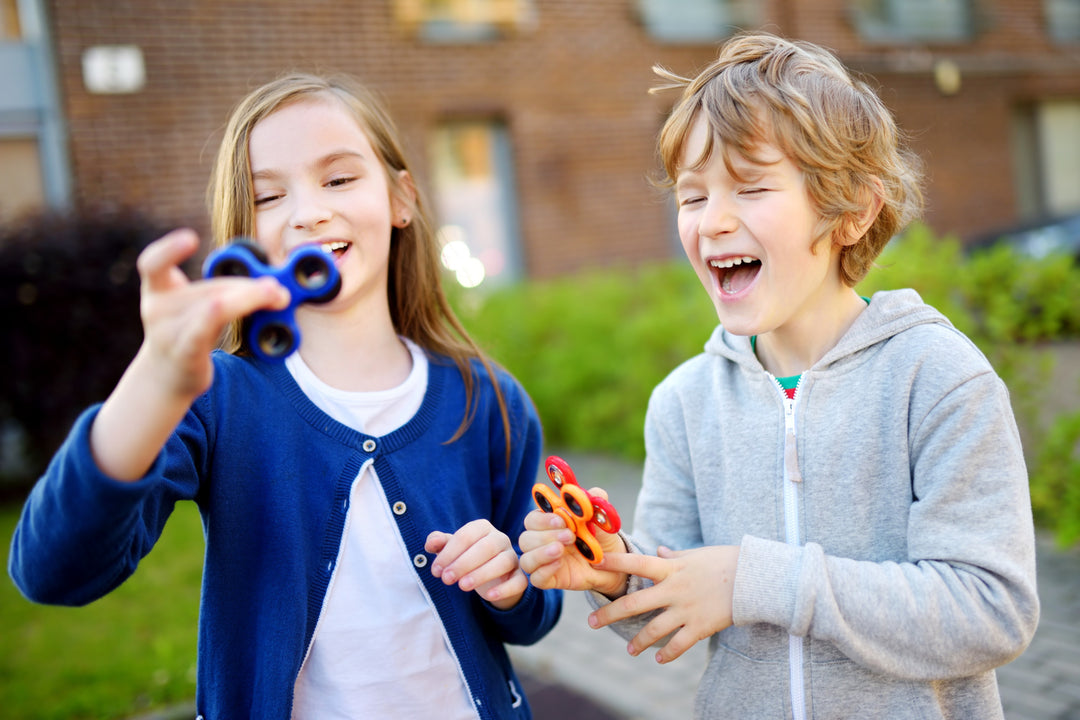
The exhaustion is real. To cope, many children seek out repetitive movements or tactile input to ground themselves. This is where fidget toys and weighted lap pads come in handy. They give the body a calming anchor through movement and gentle weight.
The after-school meltdown: why home is the release zone

Many parents wonder why their child is an angel at school but falls apart at 3:30 pm. In the classroom, kids spend all day holding it together amidst the noise and social pressure.
When they finally get home to their safe base, the pent-up sensory stress is released. It's a sign that they feel safe enough with you to let go of the struggle. Providing a quiet transition after school, such as 20 minutes in a sensory pod or a darkened room, can help them reset.
How to support your child: three practical steps
Supporting a sensory-sensitive child is about making small, consistent adjustments:
- Identify the triggers. Is it the bright lights of the supermarket or the echo of the school hall?
- Lower the sensory pressure. Use tools like noise protection, seamless socks, or fidgets to remove the irritants.
- Create safe spaces. Designate a quiet corner at home with predictable, calming items where they can retreat to settle.
Tools customers reach for during sensory overload moments

- Noise: Kids Ear Muffs, Baby Ear Muffs, or our broader Hearing Protection range for quieter outings.
- Touch and pressure: Lycra Body Sock for cocooning, weighted lap pads for grounding weight.
- After-school reset: Sensory Pod for a quiet retreat space.
- Hands need something to do: fidget toys for school, the car, or quiet moments at home.
- Bedtime wind-down: weighted blanket or Sleep Lamp III for a calmer transition into sleep.
Understanding changes everything
When we shift the question from "Why is my child behaving like this?" to "What is my child experiencing right now?", the whole conversation changes.
Sensory overload isn't about disobedience — it's about a child asking for support. When children are given the right environment to settle, the world becomes a much easier place for them to navigate.
Where we ship from
All products mentioned ship from our warehouse in Taren Point, Sutherland Shire, Sydney. Standard shipping is 2-5 business days Australia-wide. NDIS participants can purchase from us and claim through their plan manager.
Browse our Hearing Protection range →
We're retailers, not healthcare professionals. For personalised advice about sensory needs, please consult your occupational therapist or healthcare provider.